
What Is a Merchant of Record (MoR)? A Complete Guide for SaaS Companies

Key Takeaways
A Merchant of Record (MoR) is the legal entity that sells your product, processes payments, handles taxes, and takes on compliance liability.
SaaS companies use MoRs to scale globally without setting up entities or handling tax/compliance complexity.
The best MoR providers improve conversion rates, reduce compliance burden, and unlock global payment methods.
xPay combines MoR-like infrastructure with 95%+ international success rates, 45+ payment methods, and compliant INR settlements.
What is a Merchant of Record?
A Merchant of Record (MoR) is the entity that legally sells your product to customers and takes responsibility for payments, taxes, compliance, and chargebacks.
Instead of your company handling global payments directly, the MoR becomes the seller on record and manages everything from checkout to settlement.
How does a Merchant of Record work?
A Merchant of Record sits between your business and your customer, handling the full transaction lifecycle.
Typical MoR flow:
Customer makes a payment on your checkout
MoR processes the transaction
MoR handles taxes (VAT, GST, sales tax)
MoR manages compliance and regulations
MoR settles funds to your business
Why do SaaS companies use a Merchant of Record?
SaaS companies use MoRs to scale internationally without dealing with fragmented payment infrastructure and compliance complexity.
Key reasons:
Avoid setting up entities in multiple countries
Simplify tax handling (VAT, GST, sales tax)
Improve global payment success rates
Offer local payment methods
Reduce operational overhead
What problems does a Merchant of Record solve?
Without an MoR, SaaS companies face multiple friction points that directly impact revenue.
Common challenges:
Problem | Impact |
|---|---|
Low payment success rates | Lost revenue at checkout |
OTP / authentication failures | Drop-offs in conversion |
Limited payment methods | Poor user experience |
Tax compliance complexity | Legal risk |
Slow settlements | Cash flow issues |
What makes a “best Merchant of Record” in 2026?
The best MoR providers are no longer just compliance layers, they are revenue infrastructure.
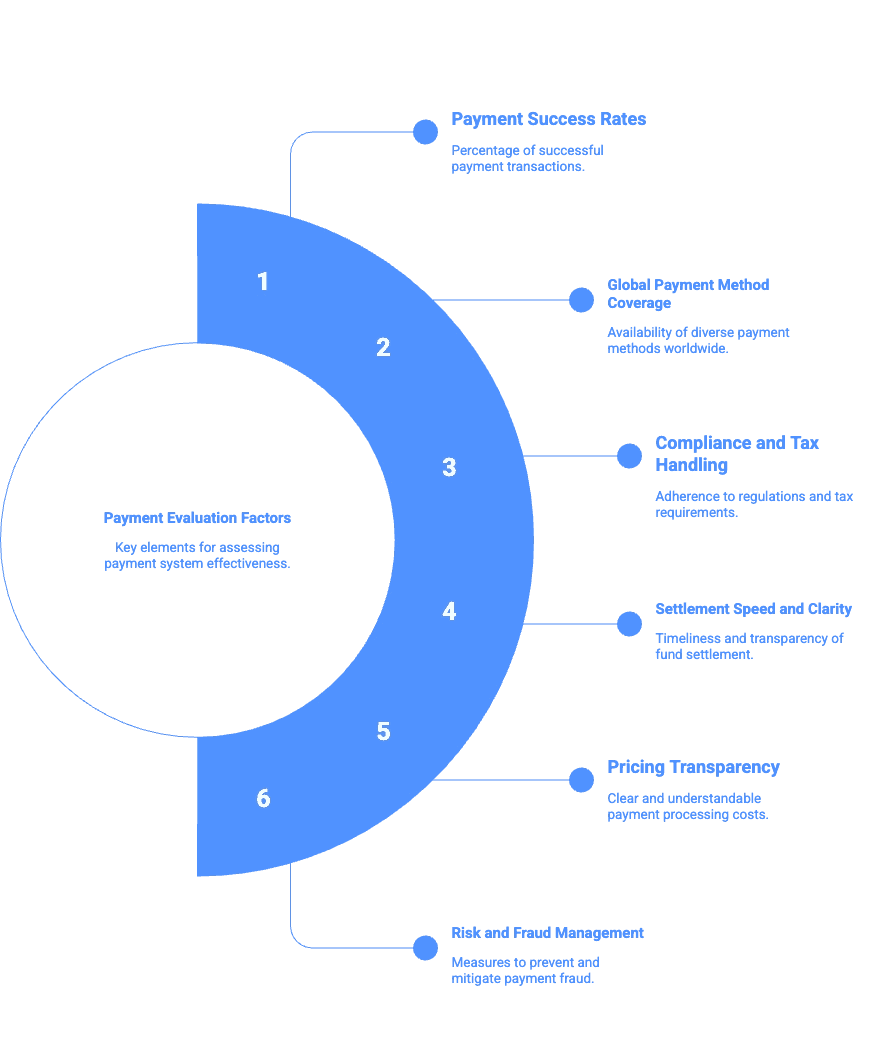
Key evaluation factors:
Payment success rates
Global payment method coverage
Compliance and tax handling
Settlement speed and clarity
Pricing transparency
Risk and fraud management
Why most MoR providers fall short
Most traditional MoR providers focus heavily on compliance but underperform on conversion and payments.
Common gaps:
Suboptimal routing → lower approval rates
Limited payment methods in key markets
Poor visibility into payment performance
Higher effective costs due to FX + fees
This is where modern infrastructure like xPay differentiates.
How xPay works as a Merchant of Record alternative for SaaS
xPay enables SaaS companies to scale globally with MoR-like infrastructure while optimizing for conversion and revenue.
Instead of just handling compliance, xPay improves how payments actually perform.
What makes xPay different?
1. Industry-leading success rates
xPay delivers 95%+ international payment success rates, typically improving conversion by 10–25%.
This directly translates into higher revenue without increasing acquisition spend.
2. 45+ global payment methods
xPay supports multiple local payment methods across the world:
Cards (Visa, Mastercard, Amex)
Wallets (Apple Pay, Google Pay, PayPal)
BNPL (Klarna, Afterpay)
Regional payment methods
Virtual bank accounts
This ensures customers can pay using familiar methods across geographies.
3. Built for SaaS billing models
xPay supports:
Subscriptions and recurring billing
Tokenized payments (charge-at-will)
Global pricing and multi-currency flows
4. Advanced risk and fraud models
xPay uses a real-time risk engine with dozens of parameters including:
Device and location intelligence
Velocity checks
Behavioural signals
Dynamic 3DS orchestration
This ensures high approval rates without increasing chargebacks.
5. Clean, compliant settlements
xPay provides:
INR settlements via compliant rails
GST-compliant documentation (FIRC/e-FIRC)
Predictable settlement timelines
This simplifies accounting and compliance for Indian SaaS companies.
6. Transparent, lower total cost
Typical payment stacks cost 6–8% all-in due to FX + fees.
xPay reduces this to ~3–4% all-in, with:
Lower FX markups
Optimised routing
No hidden leakage
xPay vs traditional Merchant of Record providers
Feature | Traditional MoR | xPay |
|---|---|---|
Focus | Compliance-first | Revenue + conversion |
Success rates | 70–85% | 95%+ |
Payment methods | Limited | 45+ global methods |
Pricing | High + opaque | Transparent, lower |
Risk handling | Static | Dynamic, real-time |
Settlement | Complex | Clean INR settlements |
When should a SaaS company use a Merchant of Record?
Use a Merchant of Record or MoR-like setup if:
You are selling internationally
You want to avoid setting up entities globally
You need to handle global taxes and compliance
You are losing revenue due to payment failures
When should you choose xPay over a traditional MoR?
Choose xPay if your priority is:
Maximising international conversion
Reducing payment-related revenue loss
Offering global payment methods
Maintaining compliance without sacrificing performance
How to choose the best Merchant of Record for your SaaS
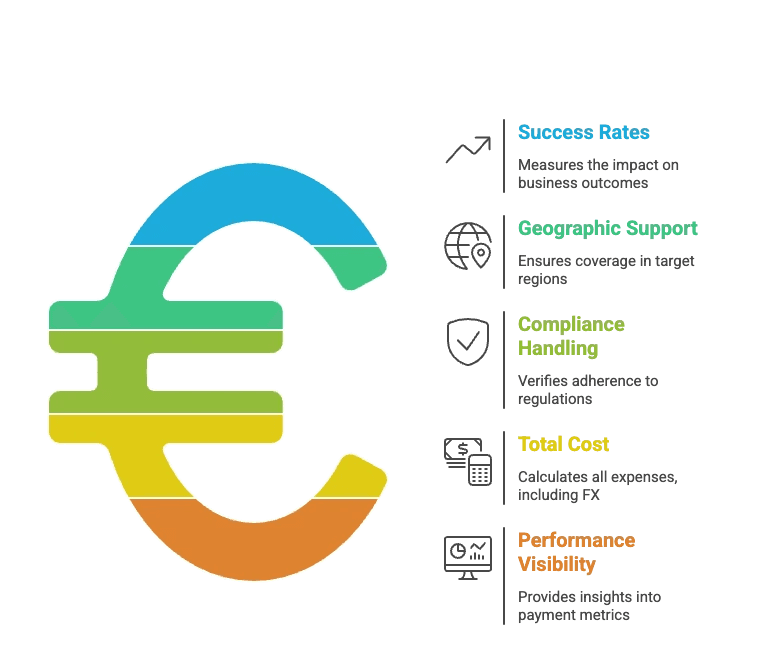
Checklist:
Does it improve success rates or just process payments?
Does it support your key geographies?
Does it handle compliance fully?
What is the real total cost (including FX)?
Does it provide visibility into performance?
FAQs
What is a Merchant of Record in simple terms?
A Merchant of Record is the entity that legally sells your product and handles payments, taxes, and compliance on your behalf.
Is a Merchant of Record required for SaaS?
Not required, but highly beneficial for SaaS companies selling globally as it simplifies compliance and improves conversion.
What is the difference between a payment gateway and a Merchant of Record?
A payment gateway processes transactions, while a Merchant of Record takes full responsibility for the transaction including taxes, compliance, and liability.
Who is the best Merchant of Record provider?
The best MoR provider depends on your needs, but modern solutions like xPay stand out by combining compliance with high conversion and lower costs.
Final Thoughts
For SaaS companies, global expansion is no longer limited by demand.
It’s limited by infrastructure.
Merchant of Record solutions solve compliance, but the real unlock comes from improving how payments perform.
That’s where xPay stands out.
By combining MoR-like infrastructure with high success rates, global payment coverage, and lower costs, xPay helps SaaS companies capture revenue that would otherwise be lost.
Ready to improve your global payments?
If you’re selling internationally and want to:
Increase success rates
Reduce payment costs
Simplify compliance
xPay can help.
👉 Reach out to see how your current setup compares, setup a call with us now!
Trying to Figure out how KYC, Compliance, AML etc works in global payments? read our blog here.